Relocating to Waxahachie TX: What to Know Before You Move
June 11, 2026
June 11, 2026
Thinking about moving to Waxahachie? You are not alone. This Ellis County city has been growing quickly, and it attracts newcomers who want more space, a connected location, and a mix of historic charm and newer housing options. If you are trying to figure out whether Waxahachie fits your lifestyle and budget, this guide will walk you through what matters most before you move. Let’s dive in.
Waxahachie sits about 30 miles south of Dallas at the crossroads of I-35E, US 287, and US 77. That location gives you practical access to the wider Dallas-Fort Worth area while still offering a distinct local identity in Ellis County. For many buyers and renters, that balance is a big part of the appeal.
The city is also growing fast. Public sources show different population totals depending on the date and source, but the bigger story is consistent: Waxahachie has seen strong recent growth. When you move to a city like this, it helps to think not only about what the area feels like today, but also how continued growth may shape traffic, development, and housing choices over the next few years.
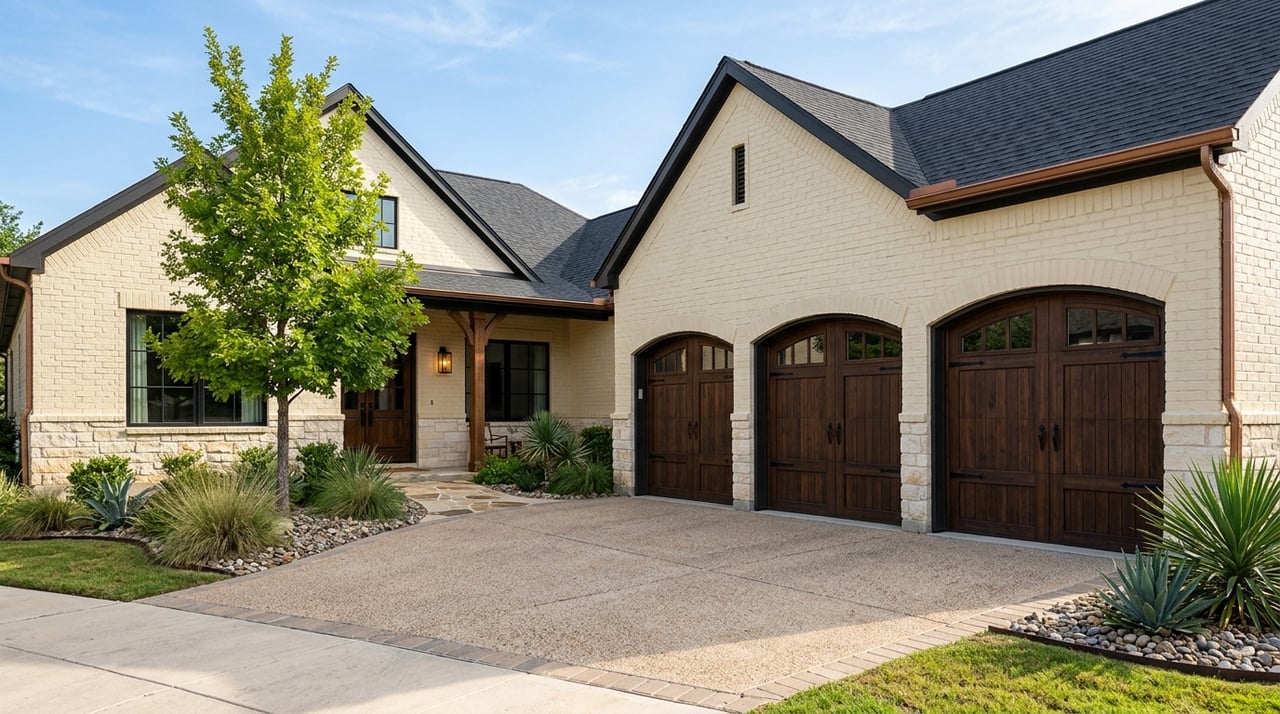
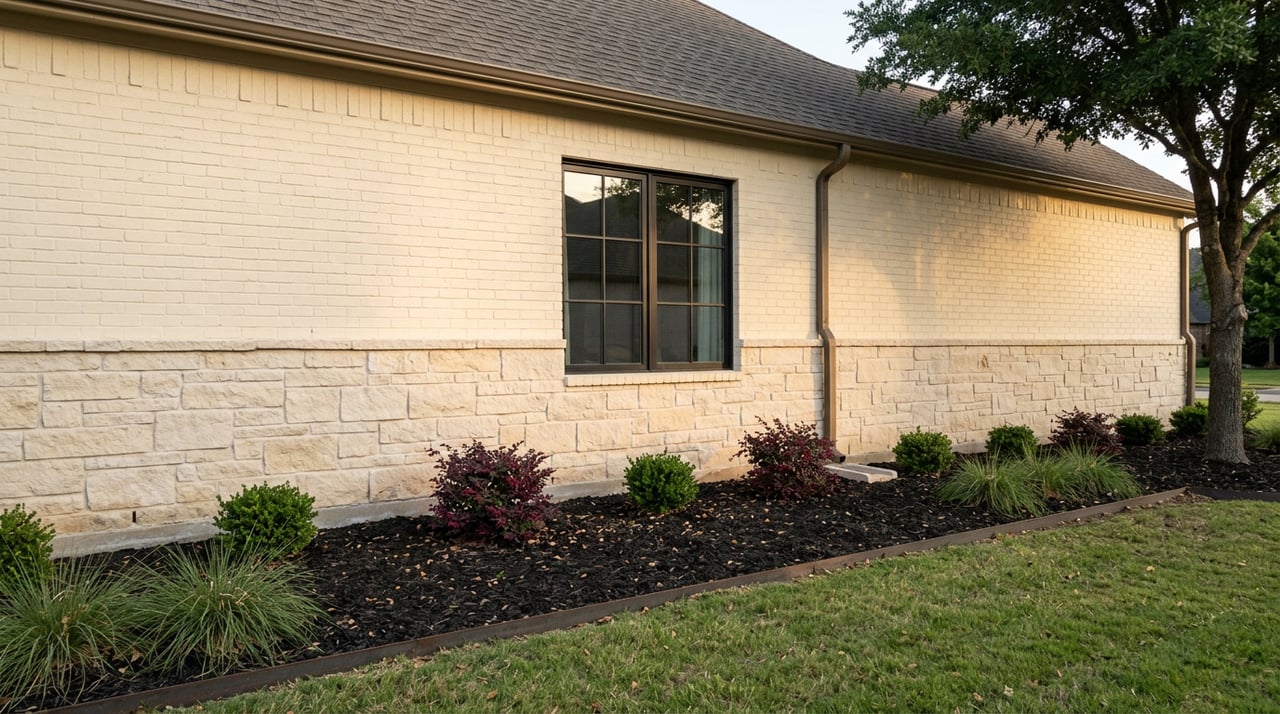
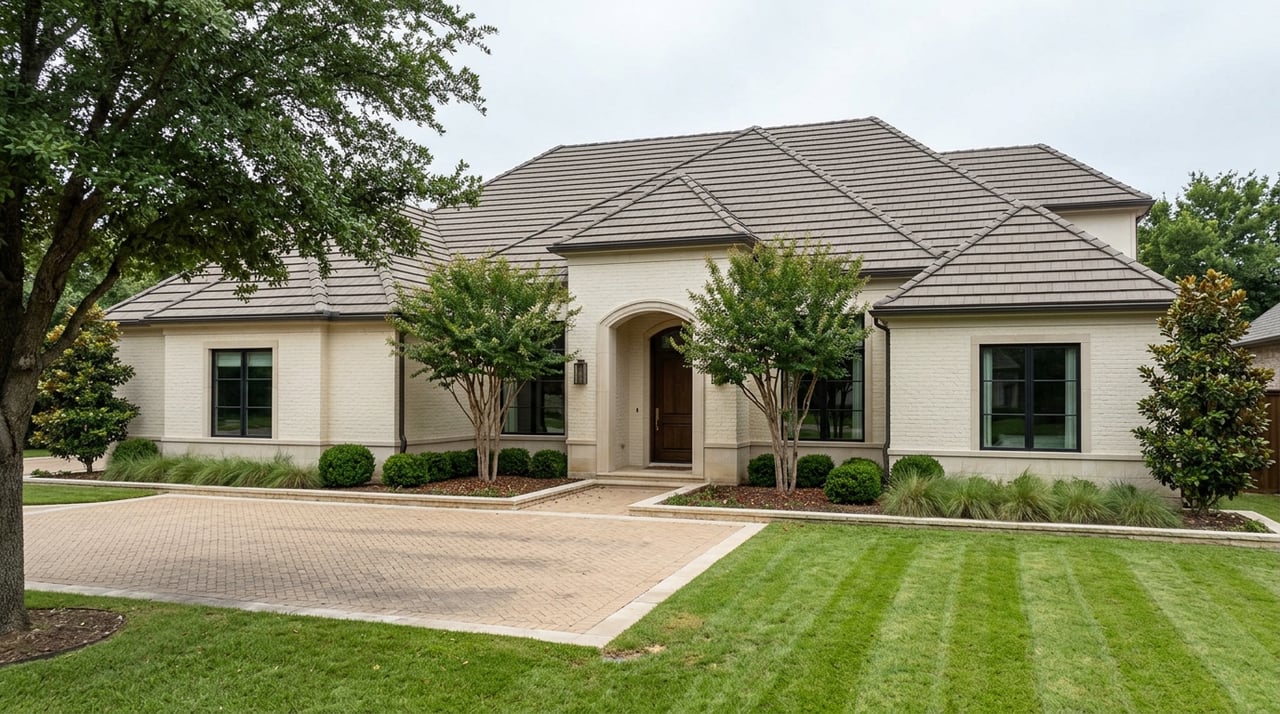
Waxahachie gives you a wider housing mix than many people expect. City planning materials show a blend of rural estate areas, residential neighborhoods, mixed-use areas, commercial corridors, industrial areas, and parks and open space. In practical terms, that means your options may include older in-town homes, established neighborhoods, new subdivision-style homes, and properties closer to mixed-use growth corridors.
Current market trackers place Waxahachie home prices roughly from the high $300,000s to the mid $400,000s, depending on the source and the metric being used. Zillow reports an average home value of $373,017 and a median sale price of $363,333 as of March 2026. Other public platforms report higher figures, with Redfin at $400,000 for median sale price and Realtor.com at about $449,990 for median listing price.
Days on market also vary by platform, but the overall pattern matters more than any one number. Homes are generally moving in a matter of weeks, not necessarily in a same-day rush. For you, that can mean a market where preparation still matters, but you may have more time to compare options than in a highly compressed market.
Before you move, it helps to look beyond list price. Census QuickFacts for Waxahachie show a median gross rent of $1,618 and a median selected monthly owner cost with a mortgage of $2,260. Those numbers are useful as a starting point when you build your monthly budget.
The same Census data show an owner-occupied housing rate of 60.3%. That suggests a market with a strong ownership base while still offering rental options for people who want flexibility before buying. If you are relocating on a tight timeline, leasing first may be worth considering while you learn the area.
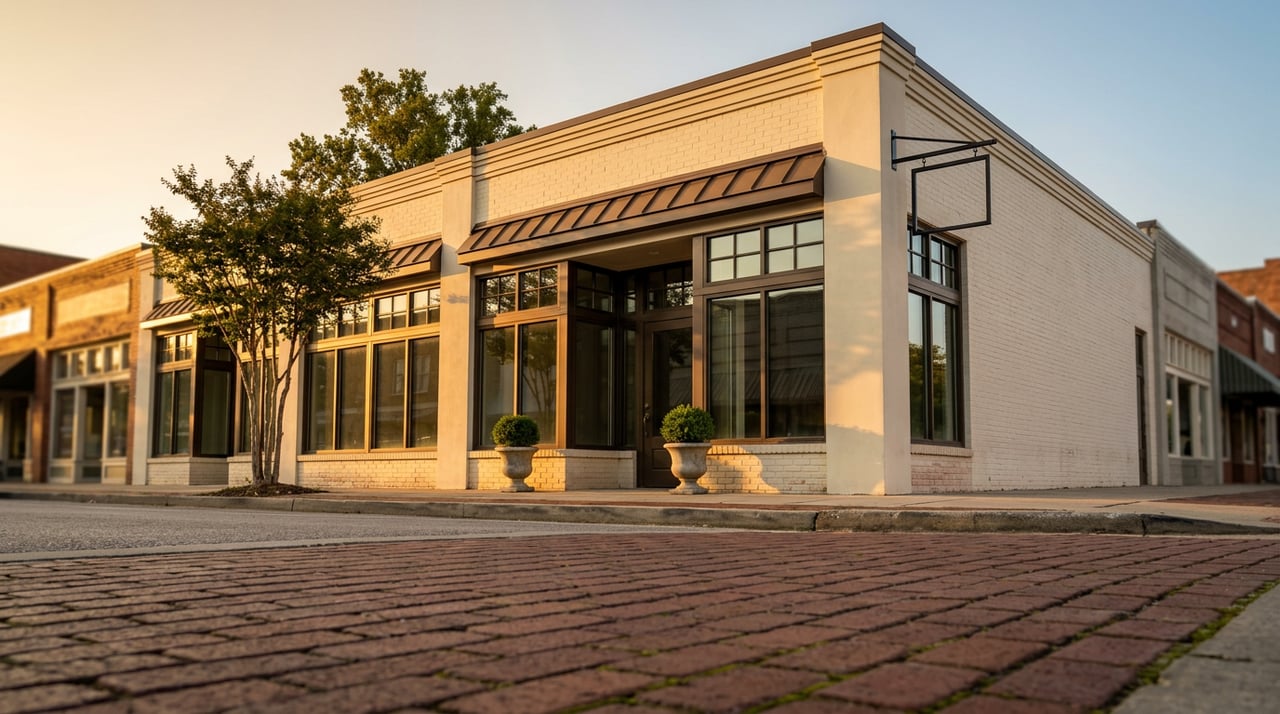
One of Waxahachie’s most distinctive features is its historic core. City planning materials describe downtown as one of Texas’ best-preserved historic districts, and the city identifies four historic neighborhoods: West End, North Rogers Street, Oldham Avenue, and Wyatt Street Shotgun. If you love older architecture and established surroundings, these areas may stand out during your search.
If you are considering a historic property, ask more questions early. Downtown is part of a Historic Overlay District, and some projects are reviewed by the Heritage Preservation Commission. The city also notes that approved historic properties may qualify for an annual exemption equal to 25% of the city portion of assessed property taxes.
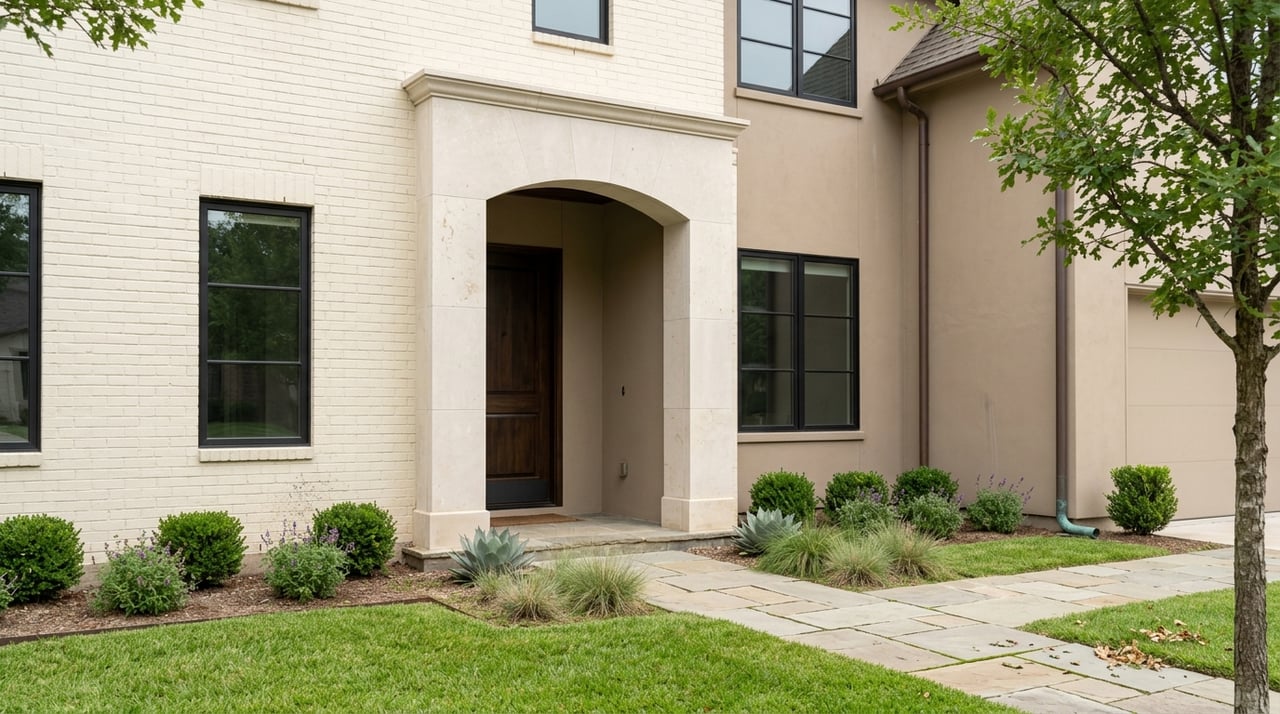
At the same time, Waxahachie is not just a historic-home market. Its future land use pattern supports newer neighborhoods and continued development, so you can compare the feel of older in-town living with the convenience and layout of newer construction. That gives you more flexibility if you are relocating with specific priorities around floor plans, lot size, or commute access.
A Waxahachie address can look simple on a map, but your real commute may tell a different story. Because the city is strongly road-connected, daily travel usually depends more on highway timing and corridor traffic than on pure distance. If you plan to commute north or travel often across the metro area, that should be part of your decision from the start.
TxDOT is proposing improvements to US 287 from US 67 to BUS 287 north of Waxahachie, including frontage roads, ramps, and grade-separated interchanges. Another project would extend SS 394 from I-35E to FM 877 in Waxahachie. These kinds of projects can improve long-term access, but during your relocation planning, they can also affect timing, routes, and day-to-day convenience.
A smart move is to test your route more than once. Try the drive during a typical daytime hour, then test it again during work or school rush. That simple step can tell you much more than a map app snapshot.
For many relocating households, school logistics are one of the first things to sort out. Waxahachie ISD says it spans 192 square miles and serves more than 11,000 students with over 1,700 employees. The district includes 10 elementary schools, 3 junior highs, 2 high schools, 1 alternative high school, and 1 pre-K academy.
The most important detail is that enrollment is address-based, while some campuses use application, choice, or lottery-based admissions. The district specifically lists Wilemon STEAM Academy, Global High School, High School of Choice, and Marvin Biomedical Academy in those categories. If a specific school option matters to your move, confirm the exact assignment and admissions path before you commit to a home.
Healthcare access is a practical part of relocation planning, especially if you want to reduce long drives for routine care. Baylor Scott & White Medical Center–Waxahachie is a 24-hour hospital located along the I-35E corridor and serves Ellis County and nearby communities. Local services also include urgent care, emergency care, clinics, and specialty care in Waxahachie.
That matters because convenience is not only about stores and restaurants. It is also about how easily you can handle the normal parts of life once you are settled in. For many newcomers, having hospital and medical services in town is a major plus.
Waxahachie offers a blend of historic character and suburban growth. The city lists 388 acres of parks, and its parks master plan emphasizes trails that connect parks, schools, libraries, and other destinations. If outdoor access is part of your lifestyle, that is worth exploring during your home search.
Downtown remains a key part of the city’s identity, with the historic courthouse and preserved historic setting shaping the local feel. At the same time, newer residential growth gives buyers a different kind of lifestyle choice. You can focus on a more traditional downtown-adjacent setting or a newer neighborhood environment, depending on what fits your routine best.
Not every relocation question is exciting, but some of the most important ones are practical. City planning materials note four main creeks in Waxahachie and warn that some housing and roads have encroached too close to creek edges. That makes floodplain status and drainage important questions, especially for homes near creek corridors, lower-lying land, or lake-adjacent areas.
If you are comparing homes, ask directly whether the property sits in a floodplain and how drainage works on the lot. This is especially important with older parcels or homes near natural drainage paths. A little due diligence up front can help you avoid costly surprises later.
If you are leaning toward a newly built home, look past the finishes and model-home presentation. Waxahachie publishes infrastructure planning data that include a six-year water and wastewater capital improvement plan. That is a useful reminder that some growth areas may still be evolving in terms of utilities, roads, and nearby construction.
Ask whether nearby infrastructure work could affect access, noise, or move-in timing. Also ask how future development around the home may change traffic patterns. In a fast-growing city, the area around a brand-new home can look different a few years from now.
Before you move to Waxahachie, keep these steps in mind:
Waxahachie offers a lot for newcomers: regional highway access, a growing housing market, a well-established school district, in-town healthcare, parks and trails, and a local identity shaped by both historic character and new development. The key is not just deciding whether you like the city. It is deciding which part of Waxahachie best supports the way you want to live day to day.
If you want a move that feels informed instead of rushed, it helps to work with someone who can look at the details through both a lifestyle and value lens. Whether you are buying, leasing, or planning a strategic relocation in DFW, Miracle Johnson can help you navigate your options with clear, responsive guidance.
Stay up to date on the latest real estate trends.

Get assistance in determining current property value, crafting a competitive offer, writing and negotiating a contract, and much more. Contact me today so I can guide you through the buying and selling process.