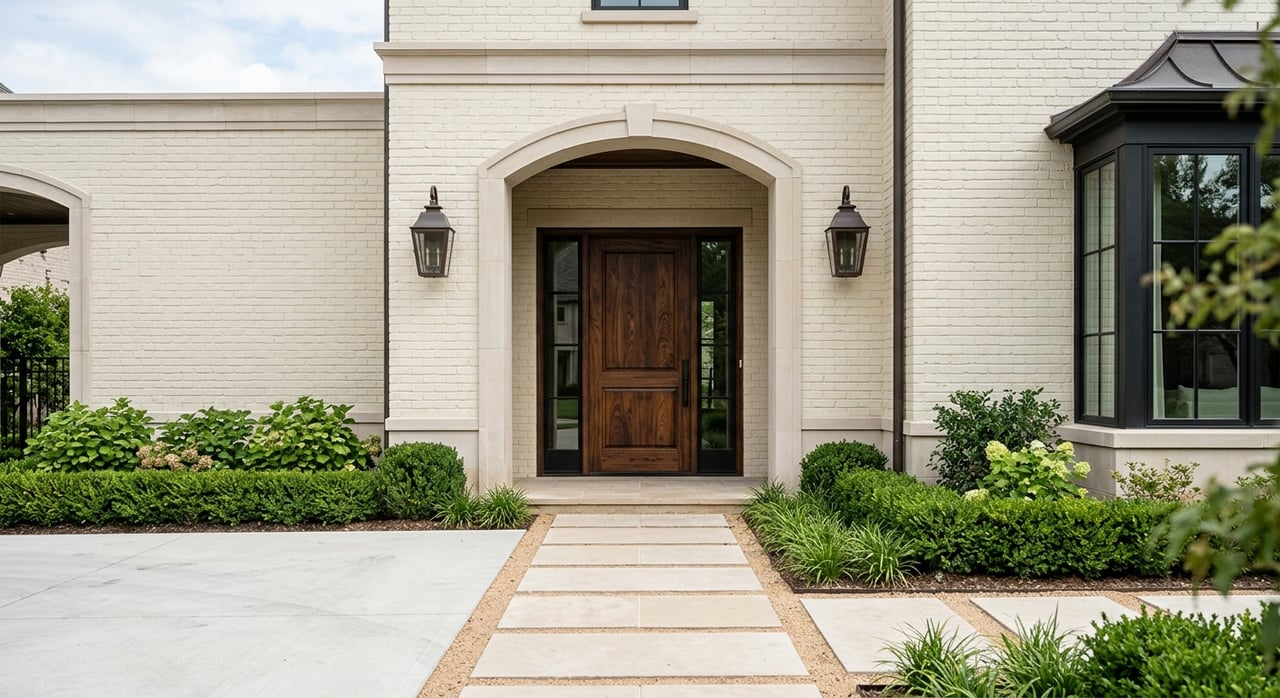
Frisco Or McKinney? How To Choose Your Next North Dallas Suburb
May 21, 2026
May 21, 2026
Choosing between Frisco and McKinney can feel surprisingly hard because both cities offer newer suburban housing, strong long-term appeal, and a lot of momentum. If you are trying to balance budget, commute, lifestyle, and future value, the right answer depends less on which city is “better” and more on which one fits the way you want to live. This guide will help you compare Frisco and McKinney in practical terms so you can make a more confident move. Let’s dive in.
If you want the fastest summary, here it is: Frisco generally fits buyers who want newer construction, major destination-style amenities, and access tied closely to the Dallas North Tollway and SH 121 corridor. McKinney often fits buyers who want a historic downtown feel, a lower official home-value benchmark, and a city with more room for future growth.
Both cities are substantial North Dallas suburbs with similar population size. Frisco’s 2026 estimate is 245,470 residents, while McKinney’s 2026 estimate is 237,130. That means this is not a comparison between a small town and a major suburb. It is a choice between two large, established markets with different personalities.
For many buyers, price is the first filter. Based on 2026 city data, Frisco has a median home value of $735,300, while McKinney’s average home value is $552,966. That does not make McKinney cheap, but it does make the city more value-oriented on paper.
Frisco also reports median monthly owner costs of $3,491 and median renter costs of $2,200. Those numbers help show how monthly carrying costs can feel different even before you factor in your own financing terms, insurance, and exact tax location.
Both cities still show signs of housing pressure. Frisco reports cost burden among 20.9% of owner households and 39.8% of renter households, while McKinney’s 2026 affordability assessment says 9,748 owner households and 12,473 renter households were cost burdened in 2023. In other words, a lower benchmark in McKinney does not automatically mean low-cost living.
Frisco may make sense if you are comfortable paying more for a market with a higher value benchmark, newer housing stock, and a large amenity pipeline. McKinney may be the stronger fit if you want more flexibility at a lower official value point while still staying in a newer suburban market.
That said, your actual payment can vary a lot by property type, loan structure, and tax jurisdiction. Frisco’s tax page notes that county and school district combinations vary by address, which can materially affect total tax bills within the city.
Both Frisco and McKinney lean newer than many older suburbs. Frisco says most homes were built after 1990, with very little stock predating 1990. McKinney reports that 88% of its housing stock was built after 1990, and 9% was built in the past five years.
That means your search in either city will likely include modern floor plans, larger suburban lots, and communities designed around more recent development patterns. You are generally not choosing between old housing and new housing here. You are choosing between different versions of a mostly newer suburban experience.
Frisco has 93,139 total housing units, including 62,257 single-family units and 29,144 multi-unit units. McKinney’s 2026 estimate includes 60,833 single-family units and 26,670 multifamily units, plus a small number of manufactured homes and group-quarters units. Directionally, Frisco has a slightly larger multi-unit share, while McKinney leans a bit more toward detached homes and established neighborhoods.
If you want a suburb that feels highly built-out, polished, and full of newer residential options, Frisco may line up well. If you want newer housing but also appreciate a city with established areas and a bit more variation around a historic core, McKinney may feel more balanced.
From an investor-minded perspective, this matters because housing mix often shapes resale audience, rental demand patterns, and how a neighborhood evolves over time. The best fit depends on whether you value newer product and amenity access most, or a broader long-term growth runway.
Your daily drive can shape your quality of life as much as the home itself. Frisco is closely tied to the Dallas North Tollway and SH 121 corridor. The Dallas North Tollway connects downtown Dallas to Prosper, and Frisco saw a widening project add a fourth lane in each direction between SH 121 and US 380 in 2025.
Frisco has also completed or improved several major intersections to keep pace with growth. Public transit remains limited, with DCTA GoZone on-demand service in central Frisco and a DCTA demand-response option.
McKinney sits on US 75, about 30 miles north of downtown Dallas. Its local transit options are also limited. Collin County Transit contracts with DART to provide subsidized on-demand rides for eligible residents, and McKinney operates a free downtown trolley for local circulation.
Frisco may be a stronger choice if your work, routines, or preferred destinations line up with the DNT and SH 121 corridor. That corridor connection is one of the city’s biggest practical advantages for many North Dallas buyers.
Frisco’s 2026 city estimates also show an average commute of 27.3 minutes. That offers a useful benchmark, though your own commute will depend on where you work and what times you travel.
McKinney may fit better if US 75 is your more natural route or if you value access patterns centered on that side of North Dallas. It still functions as a driving-oriented suburb, but its transportation logic is different from Frisco’s.
If your lifestyle does not depend on a daily DNT commute, McKinney’s location may feel more intuitive. This is especially true if downtown character and future expansion matter more to you than being in a highly destination-heavy corridor.
One of the clearest differences between these cities is how they deliver lifestyle appeal. Frisco’s development story is heavily tied to major amenities, mixed-use projects, and destination-driven growth. McKinney’s identity is more rooted in its historic downtown, preservation efforts, and a recognizable town-center feel.
Neither approach is better across the board. The better fit depends on what feels more like home to you.
Frisco’s 2040 planning framework includes land use, transportation, housing, economic development, parks, trails, cultural affairs, and downtown redevelopment. The city’s Downtown Rail District redevelopment exceeds $80 million, with Main Street reopened in December 2025 and 4th Street Plaza plus a public parking garage targeted for Q2 2026 completion.
Beyond downtown, Frisco’s pipeline includes the North Platinum Corridor along the DNT, four mixed-use developments including The Star, Universal Kids Resort planned for 2026, and Grand Park, which will span 1,011 acres when complete. The city also reports more than 47 miles of hike and bike trails.
If you want a city with a strong pipeline of new attractions, redevelopment, and large-scale amenity investment, Frisco stands out. It can appeal to buyers who want a suburb that feels active, polished, and still adding major pieces to its lifestyle offering.
McKinney offers a different kind of appeal. The city describes Historic Downtown McKinney as the heartbeat of the community since 1848, and its downtown strategy focuses on balancing preservation with new development. Downtown parking is free, the trolley is free, and the Cultural District is identified as the city’s primary attraction.
McKinney also maintains almost 3,000 acres of parks and open space along with 80 miles of trails. That creates a lifestyle mix that feels less centered on high-profile destination development and more centered on an established downtown core, open space, and corridor-based future planning.
If you are drawn to historic character and want a city with visible identity beyond newer subdivisions, McKinney may feel more grounded. It can be especially appealing if you want suburban space without giving up a traditional downtown setting.
Frisco and McKinney are both planning for the future, but they are doing it from different starting points. Frisco’s city area is 69.1 square miles with about 1.0 square mile of ETJ, which points to a more built-out footprint. Its 2040 plan emphasizes neighborhood sustainability, transportation, land use, redevelopment, and placemaking inside a more mature suburban framework.
McKinney occupies about 68 square miles, but its ONE McKinney 2040 Comprehensive Plan covers roughly 116 square miles including ETJ. The city’s long-range planning also highlights the Town Center, Northwest Sector, and State Highway 5 corridor.
In practical terms, McKinney appears to have more room for annexation and corridor growth. Frisco appears further along in its evolution, with more focus on reinvestment, corridor upgrades, and redevelopment within an already established footprint.
That distinction can matter if you are thinking about long-term lifestyle fit or investment logic. Some buyers prefer a more mature, already built-out environment with major amenities in place. Others prefer a city that still has a longer runway for outward growth and future development opportunities.
If you are deciding between these two suburbs, focus on the factors that will affect your life most over the next five to ten years. The smartest choice is usually the one that matches your budget, commute pattern, and preferred setting, not the one with the loudest reputation.
Use this quick framework:
A great move is not just about buying the right house. It is about choosing the city that supports your daily routine, your financial goals, and your long-term plans.
If you are weighing Frisco, McKinney, or another North Dallas suburb, Miracle Johnson can help you compare your options with a strategic, investor-minded lens and hands-on guidance tailored to your move.
Stay up to date on the latest real estate trends.

Get assistance in determining current property value, crafting a competitive offer, writing and negotiating a contract, and much more. Contact me today so I can guide you through the buying and selling process.